BUSENFREUND*INNEN // BOSOM BUDDIES:
PRIDE MONTH SPECIAL PART VII.
Self-care, oder zu deutsch: Selbstfürsorge, ist seit Jahren ein trending topic auf jeglichen sozialen Netzwerken.
Wenn man den Begriff Self-care hört, denkt man oft an eine junge (meist weiße, schlanke) Frau, die ein Bad im Kerzenschein nimmt, die eine Gesichtsmaske aufträgt und wahrscheinlich eine lange, ausführliche Hautpflege-Routine hat. Sie hat einen glatt rasierten Körper, sie hat glänzendes, gepflegtes, langes Haar, das einer Shampoo Werbung entsprungen sein könnte—und natürlich trägt sie modische, hochwertig wirkende Klamotten. Sie isst gesund (kauft Bio-Obst und Gemüse) und gönnt sich ab und zu mal eine teure Flasche Sekt oder Rotwein mit in Schokolade getauchten Erdbeeren oder Bananen. Sie kauft sich neue Klamotten als Belohnung, weil sie es nach einer anstrengenden Arbeitswoche verdient hat.
Wenn ihr Kleiderschrank und ihre Hautpflege Kommode im Bad am überlaufen sind, von all den Belohnungen, die sie sich gegönnt hat? Naja, dann ist das doch nur ein Zeichen dafür, dass sie sich um sich selbst kümmert und Wert auf sich selbst legt, oder?
Unser gesichtsloses Beispiel verkörpert das, was wir oft in YouTube Videos, auf Instagram Feeds und in TikTok Videos sehen, wenn wir den Suchbegriff „self care“ eingeben oder ihm in der Wildbahn begegnen.
Und an sich sollte es doch kein Problem sein, all diese Sachen zu tun, um sich um sich selbst zu kümmern, oder? An sich sollte es doch etwas Positives sein, wenn man sich selbst belohnt, wenn man sich selbst zeigt: „Das hast du gut gemacht, ich bin stolz auf dich.”
Doch die Probleme, die bei dieser Art der Selbstfürsorge, der Art von Selbstfürsorge die als “korrekt” beworben wird, oft auftreten sind vielfältig und komplex—diese Art der Selbstfürsorge fördert schädigende Schöheitsideale, sie stellt Self-care als etwas dar, was nur für Frauen und feminin aussehende Personen ist und sie rückt das Problem über das ich heute reden möchte in ein positives Licht: Überkonsum.
Wenn man den Begriff Self-care hört, denkt man oft an eine junge (meist weiße, schlanke) Frau, die ein Bad im Kerzenschein nimmt, die eine Gesichtsmaske aufträgt und wahrscheinlich eine lange, ausführliche Hautpflege-Routine hat. Sie hat einen glatt rasierten Körper, sie hat glänzendes, gepflegtes, langes Haar, das einer Shampoo Werbung entsprungen sein könnte—und natürlich trägt sie modische, hochwertig wirkende Klamotten. Sie isst gesund (kauft Bio-Obst und Gemüse) und gönnt sich ab und zu mal eine teure Flasche Sekt oder Rotwein mit in Schokolade getauchten Erdbeeren oder Bananen. Sie kauft sich neue Klamotten als Belohnung, weil sie es nach einer anstrengenden Arbeitswoche verdient hat.
Wenn ihr Kleiderschrank und ihre Hautpflege Kommode im Bad am überlaufen sind, von all den Belohnungen, die sie sich gegönnt hat? Naja, dann ist das doch nur ein Zeichen dafür, dass sie sich um sich selbst kümmert und Wert auf sich selbst legt, oder?
Unser gesichtsloses Beispiel verkörpert das, was wir oft in YouTube Videos, auf Instagram Feeds und in TikTok Videos sehen, wenn wir den Suchbegriff „self care“ eingeben oder ihm in der Wildbahn begegnen.
Und an sich sollte es doch kein Problem sein, all diese Sachen zu tun, um sich um sich selbst zu kümmern, oder? An sich sollte es doch etwas Positives sein, wenn man sich selbst belohnt, wenn man sich selbst zeigt: „Das hast du gut gemacht, ich bin stolz auf dich.”
Doch die Probleme, die bei dieser Art der Selbstfürsorge, der Art von Selbstfürsorge die als “korrekt” beworben wird, oft auftreten sind vielfältig und komplex—diese Art der Selbstfürsorge fördert schädigende Schöheitsideale, sie stellt Self-care als etwas dar, was nur für Frauen und feminin aussehende Personen ist und sie rückt das Problem über das ich heute reden möchte in ein positives Licht: Überkonsum.
Self-care has been a trending topic on social media for years now.
When we think about the term “self-care”, a lot of us will think of a young (oftentimes skinny and white) woman who is taking a candlelit bath, who is applying a face mask and who has a long and intricate skin care routine. She has a clean-shaven body, she has long shiny well cared for hair that could be straight out of a shampoo commercial—and she wears fashionable clothing that appears to be of high quality. She eats healthily (her veggies and fruits are all organic) and occasionally she’ll reward herself with a nice bottle of sparkling or red wine paired with chocolate covered strawberries or bananas. She buys herself new clothing as a treat because she deserves it after an exhausting week at work.
And what if her closet and bathroom cabinet are overflowing with all the treats she got herself? It’s a sign of how much she cares for herself and appreciates herself, isn’t it?
Our faceless example embodies what we are being sold and encounter all too often when we look up or stumble upon the term self-care on platforms such as YouTube, Instagram or TikTok.
In and of itself it shouldn’t pose a problem to do all these things in order to care for oneself, should it? It should be something good, something positive to treat oneself, to show oneself: “You did amazing and I am proud of you.”
But the problems with this type of self-care, with the type of self care that is shown to us as the “correct” type, are abundant, glaring and complex—this type of self-care promotes damaging beauty ideals, it promotes self-care as an activity for women and femme presenting people only and it promotes the issue I want to talk about today: overconsumption.
When we think about the term “self-care”, a lot of us will think of a young (oftentimes skinny and white) woman who is taking a candlelit bath, who is applying a face mask and who has a long and intricate skin care routine. She has a clean-shaven body, she has long shiny well cared for hair that could be straight out of a shampoo commercial—and she wears fashionable clothing that appears to be of high quality. She eats healthily (her veggies and fruits are all organic) and occasionally she’ll reward herself with a nice bottle of sparkling or red wine paired with chocolate covered strawberries or bananas. She buys herself new clothing as a treat because she deserves it after an exhausting week at work.
And what if her closet and bathroom cabinet are overflowing with all the treats she got herself? It’s a sign of how much she cares for herself and appreciates herself, isn’t it?
Our faceless example embodies what we are being sold and encounter all too often when we look up or stumble upon the term self-care on platforms such as YouTube, Instagram or TikTok.
In and of itself it shouldn’t pose a problem to do all these things in order to care for oneself, should it? It should be something good, something positive to treat oneself, to show oneself: “You did amazing and I am proud of you.”
But the problems with this type of self-care, with the type of self care that is shown to us as the “correct” type, are abundant, glaring and complex—this type of self-care promotes damaging beauty ideals, it promotes self-care as an activity for women and femme presenting people only and it promotes the issue I want to talk about today: overconsumption.
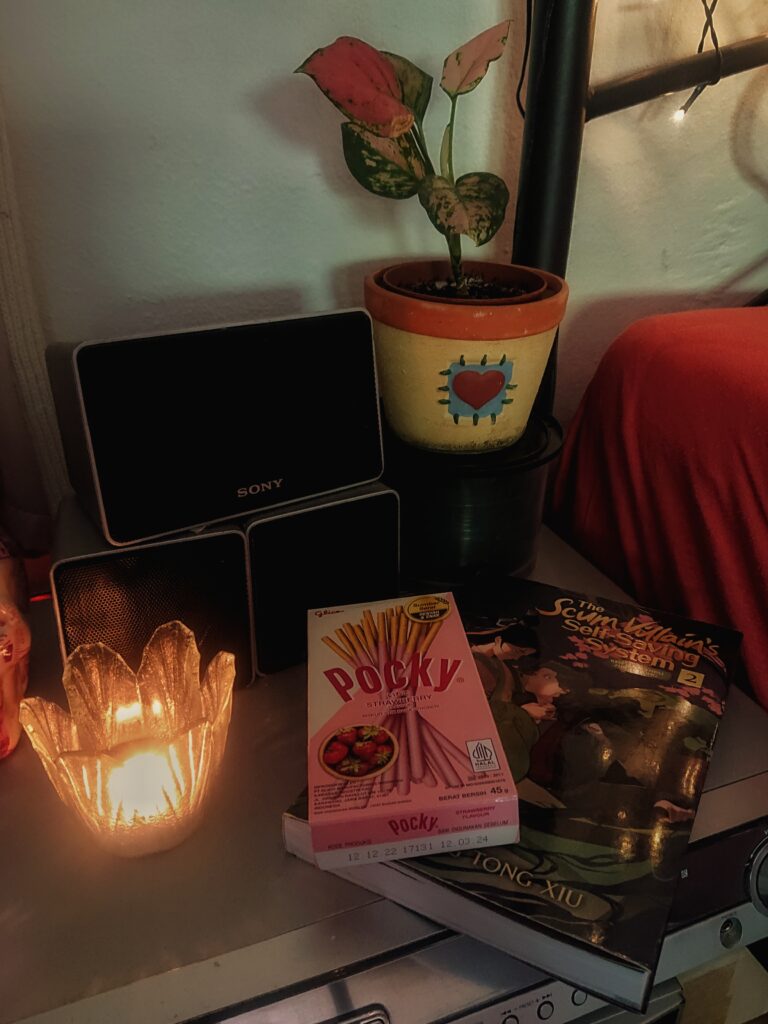
So wird es dank diesem Kontext oft als ein Akt der Selbstfürsorge betrachtet, wenn man sich drei Varianten des gleichen Hautpflegeprodukts kauft, wenn man sich das fünfte Paar fast identischer Turnschuhe kauft, wenn man den siebten SHEIN Haul (oder zu deutsch: eine Massenbestellung auf der Modewebseite SHEIN) diesen Sommer macht, wenn man sich die zwölfte Lidschattenpalette in den gleichen 10 Farbtönen kauft.
Jedoch machen all diese Sachen oft nur temporär glücklich und tragen zu Überkonsum und verschwenderischen Angewohnheiten bei—denn sobald man einmal mit dem Sammeln von solchen “Belohnungen” angefangen hat, ist es schwierig, wieder aufzuhören.
Überkonsum führt schnell zu übermäßigem Abfall und übermäßiger Verschwendung. Dies kann vor allem ein Problem darstellen wenn es um nicht recyclebaren Plastikmüll geht; um das Folgen eines weiteren Mikrotrends für den man einfach shoppen muss, bei dem die Klamotten zum Schluss sowieso auf der Mülldeponie landen, wo sie für Jahrzehnte nicht abgebaut werden. Es kann einfach zu einem Zyklus von kaufen, kaufen und noch mehr einkaufen kommen—nur um die gekauften Produkte letztendlich wegzuschmeißen, obwohl sie einmal benutzt wurden, obwohl sie zwei mal getragen wurden, obwohl sie in den drei Jahren in denen man sie hatte nur im Regal rumlagen und Schuldgefühle hervorgerufen haben während sie als Staubfänger dienten. Es macht wenig Freude, in Produkten unterzugehen, auch wenn der Kauf einer Neuen Sache Entzücken hervorrufen kann.
Doch wenn Selbstfürsorge nicht bedeutet, zu konsumieren, für einen kleinen Schub an Glückshormonen, was bedeutet es dann?
Jedoch machen all diese Sachen oft nur temporär glücklich und tragen zu Überkonsum und verschwenderischen Angewohnheiten bei—denn sobald man einmal mit dem Sammeln von solchen “Belohnungen” angefangen hat, ist es schwierig, wieder aufzuhören.
Überkonsum führt schnell zu übermäßigem Abfall und übermäßiger Verschwendung. Dies kann vor allem ein Problem darstellen wenn es um nicht recyclebaren Plastikmüll geht; um das Folgen eines weiteren Mikrotrends für den man einfach shoppen muss, bei dem die Klamotten zum Schluss sowieso auf der Mülldeponie landen, wo sie für Jahrzehnte nicht abgebaut werden. Es kann einfach zu einem Zyklus von kaufen, kaufen und noch mehr einkaufen kommen—nur um die gekauften Produkte letztendlich wegzuschmeißen, obwohl sie einmal benutzt wurden, obwohl sie zwei mal getragen wurden, obwohl sie in den drei Jahren in denen man sie hatte nur im Regal rumlagen und Schuldgefühle hervorgerufen haben während sie als Staubfänger dienten. Es macht wenig Freude, in Produkten unterzugehen, auch wenn der Kauf einer Neuen Sache Entzücken hervorrufen kann.
Doch wenn Selbstfürsorge nicht bedeutet, zu konsumieren, für einen kleinen Schub an Glückshormonen, was bedeutet es dann?
Thanks to these ideas it is often under the guise of “self-care” that one buys the third variant of the same skin care product, that one shops the fifth pair of near-identical sneakers, that one goes for their seventh SHEIN haul this summer (as a treat!) or that one buys the dozenth eyeshadow palette with the same 10 shades in it.
But all of these things oftentimes merely bring temporary happiness while contributing to overconsumption and wasteful habits—because once a person starts collecting things in order to treat themselves, it is hard to find a point where enough is enough and at which to stop.
Overconsumption all too easily leads to producing excessive waste. This can especially pose issues when it comes to producing unrecyclable plastic waste, when it comes to falling victim to another trend cycle and overshopping fast fashion which will inevitably end up in a landfill and won’t decompose for decades. It can easily end in a cycle of buying and buying and buying only to discard of items that have been used once, that have been worn twice, that have been sitting on a shelf and collecting dust and evoking guilt because they haven’t been touched for three years. There is little joy in drowning in products, despite the kick of elation many get out of buying That New Thing.
But if self-care doesn’t mean consumption of goods that leads to a small boost of happy hormones, then what is self-care?
But all of these things oftentimes merely bring temporary happiness while contributing to overconsumption and wasteful habits—because once a person starts collecting things in order to treat themselves, it is hard to find a point where enough is enough and at which to stop.
Overconsumption all too easily leads to producing excessive waste. This can especially pose issues when it comes to producing unrecyclable plastic waste, when it comes to falling victim to another trend cycle and overshopping fast fashion which will inevitably end up in a landfill and won’t decompose for decades. It can easily end in a cycle of buying and buying and buying only to discard of items that have been used once, that have been worn twice, that have been sitting on a shelf and collecting dust and evoking guilt because they haven’t been touched for three years. There is little joy in drowning in products, despite the kick of elation many get out of buying That New Thing.
But if self-care doesn’t mean consumption of goods that leads to a small boost of happy hormones, then what is self-care?
“Engaging in self-care is about self-respect[, about] declaring that, yes, you are important, you do matter. […] Self-care is part of your efforts to be the best person you can be.”
– Arin Murphy-Hiscock, The Witch’s Book of Self-Care
Wie Arin Murphy-Hiscock in ihrem Buch Magie für die Seele ausführt, ist der Akt der Selbstfürsorge etwas, was mit Respekt für einen selbst zu tun hat. Es geht darum, sich klarzumachen, dass man selbst wichtig ist und dass man zählt. Laut ihr ist Selbstfürsorge ein Teil des Weges, dessen Ziel ist, die beste Version von sich selbst zu sein.
Bedeutet das nun, dass ausführliche Pflegeroutinen, neue Klamotten kaufen und Sekt mit Schokoerdbeeren Tabu sind? Natürlich nicht.
Jedoch sollten Materialismus und Überkonsum nicht äquivalent mit Selbstfürsorge gesetzt werden und auch nicht als zentrale Art und Weise, sich um sich selbst zu kümmern, betrachtet werden. Die Verkörperung des modernen Kapitalismus mit den Ideen von Selbstfürsorge, Selbstliebe und Selbstrespekt gleichzusetzen ist meines Erachtens nach arglistig und ausbeuterisch—denn jeder möchte sich idealerweise doch um sich selbst kümmern.
Nun stellt sich die Frage: Was kann man also machen, um Self-Care zu betreiben?
Ich denke, dass zu lernen, mit sich selbst im Reinen zu sein und herauszufinden, wie Zufriedenheit für einen aussieht, viel wichtiger sind, als sich mit materiellen Artikeln zu belohnen. Dies sieht offensichtlich für jede Person anders aus; abhängig davon, ob man mentale Krankheiten koordiniert, ob man sich in einem sicheren Umfeld befindet, ob man Leute um sich herum hat, die einen unterstützen und als positive Einflüsse dienen—oder eben nicht.
Jedoch ist es meiner Meinung nach wichtig, sich mit sich selbst zu befassen, mit seinem Selbstbild und mit der Person, die man sein möchte. Und am allerwichtigsten: Warum man diese Version von sich selbst sein möchte.
So ist es möglich, Methoden zu finden, die es einem erleichtern, sich selbst zu respektieren und die Person zu werden, die man sein möchte.
Bedeutet das nun, dass ausführliche Pflegeroutinen, neue Klamotten kaufen und Sekt mit Schokoerdbeeren Tabu sind? Natürlich nicht.
Jedoch sollten Materialismus und Überkonsum nicht äquivalent mit Selbstfürsorge gesetzt werden und auch nicht als zentrale Art und Weise, sich um sich selbst zu kümmern, betrachtet werden. Die Verkörperung des modernen Kapitalismus mit den Ideen von Selbstfürsorge, Selbstliebe und Selbstrespekt gleichzusetzen ist meines Erachtens nach arglistig und ausbeuterisch—denn jeder möchte sich idealerweise doch um sich selbst kümmern.
Nun stellt sich die Frage: Was kann man also machen, um Self-Care zu betreiben?
Ich denke, dass zu lernen, mit sich selbst im Reinen zu sein und herauszufinden, wie Zufriedenheit für einen aussieht, viel wichtiger sind, als sich mit materiellen Artikeln zu belohnen. Dies sieht offensichtlich für jede Person anders aus; abhängig davon, ob man mentale Krankheiten koordiniert, ob man sich in einem sicheren Umfeld befindet, ob man Leute um sich herum hat, die einen unterstützen und als positive Einflüsse dienen—oder eben nicht.
Jedoch ist es meiner Meinung nach wichtig, sich mit sich selbst zu befassen, mit seinem Selbstbild und mit der Person, die man sein möchte. Und am allerwichtigsten: Warum man diese Version von sich selbst sein möchte.
So ist es möglich, Methoden zu finden, die es einem erleichtern, sich selbst zu respektieren und die Person zu werden, die man sein möchte.
This definition is one that Arin Murphy-Hiscock expands upon in her book The Witch’s Book of Self-Care. But does it mean that intricate skin care routines, buying new clothes and having sparkling wine with strawberries are now taboo? Of course not.
Still, it is important to keep in mind that materialism and overconsumption are not equivalent to self-care and they should not be used interchangeably. Using the embodiment of modern capitalism as the central picture for an act of self-respect and self-love such as self-care is disingenuous and exploitative—because everyone wants to take care of themselves.
So what can we do to practice self-care?, you may ask.
My answer is that treating oneself by buying oneself things is not nearly as important as learning to be at peace with oneself and to figure out what contentment looks like for oneself. Doing so is obviously a different process for every person; depending on whether you’re navigating mental health issues, whether you’re in a safe space, whether you’re surrounded by (and are surrounding yourself) with people who have a positive influence on you and support you—or whether that is not the case.
It’s important to spend time with yourself, to figure out who you are, how you view yourself and who you want to be. And most importantly: Why you aspire to be that ideal version of yourself.
Through that type of reflection it becomes easier, even if not necessarily easy, to find ways to respect yourself and to become the person you want to be.
Still, it is important to keep in mind that materialism and overconsumption are not equivalent to self-care and they should not be used interchangeably. Using the embodiment of modern capitalism as the central picture for an act of self-respect and self-love such as self-care is disingenuous and exploitative—because everyone wants to take care of themselves.
So what can we do to practice self-care?, you may ask.
My answer is that treating oneself by buying oneself things is not nearly as important as learning to be at peace with oneself and to figure out what contentment looks like for oneself. Doing so is obviously a different process for every person; depending on whether you’re navigating mental health issues, whether you’re in a safe space, whether you’re surrounded by (and are surrounding yourself) with people who have a positive influence on you and support you—or whether that is not the case.
It’s important to spend time with yourself, to figure out who you are, how you view yourself and who you want to be. And most importantly: Why you aspire to be that ideal version of yourself.
Through that type of reflection it becomes easier, even if not necessarily easy, to find ways to respect yourself and to become the person you want to be.
Das klingt alles schön und gut in Theorie, ich weiß, doch wie sieht das in der Praxis aus? Was ist Selbstfürsorge, wenn sie nicht “Ich kaufe mir eine kleine Belohnung” ist?
Das variiert von Person zu Person!
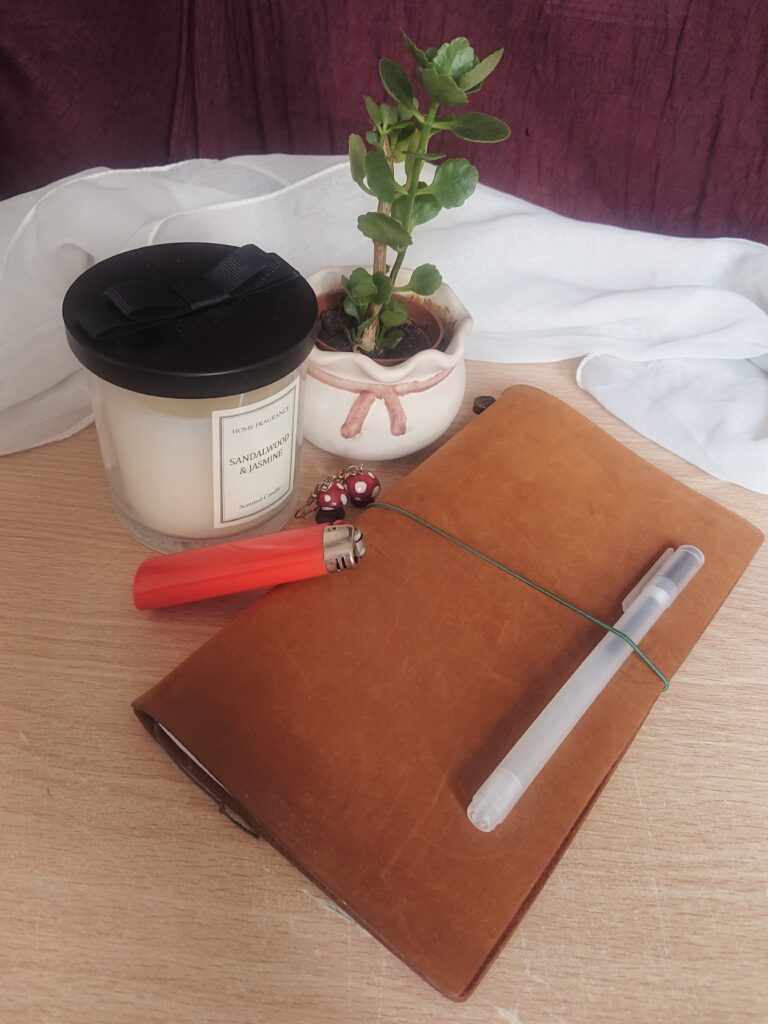
Für manche Leute bedeutet Selbstfürsorge weiterhin eine ausführliche Hautpflegeroutine—jedoch kann man auch hier darauf achten, dass man nicht verschwenderisch ist; man kann sich statt vieler Produkte vielleicht eine Sache, die einen am meisten anspricht und ein gutes Gewissen hinterlässt kaufen. Für andere Leute bedeutet Selbstfürsorge jedoch Selbstakzeptanz oder einen Weg zu finden, sich selbst lieben zu lernen. Für wieder andere Leute bedeutet Selbstfürsorge, sich Zeit zu nehmen, seinen Hobbies nachzugehen in einem stressigen Alltag; es bedeutet, sich mit Sachen zu umgeben, die einen glücklich machen und als Erinnerung an die Personen, die einen glücklich machen dienen. Und für manche Leute bedeutet Selbstfürsorge anderen zu helfen oder für wohltätige Zwecke zu spenden, da es etwas ist, was einem Freude bringt und einen einen Schritt näher zu der Person bringt, die man sein möchte.
Self-care ist nicht etwas, was es in einer Einheitsgröße gibt—es ist etwas, was jede Person individuell für sich definieren muss. Jedoch ist eine Sache klar: Selbstfürsorge sollte nie bedeuten, dass man dank Überkonsum in Produkten untergeht und einem Idealbild, das auf sozialen Netzwerken und von Unternehmen propagiert wird, folgen muss.
//A.
Das variiert von Person zu Person!
Für manche Leute bedeutet Selbstfürsorge weiterhin eine ausführliche Hautpflegeroutine—jedoch kann man auch hier darauf achten, dass man nicht verschwenderisch ist; man kann sich statt vieler Produkte vielleicht eine Sache, die einen am meisten anspricht und ein gutes Gewissen hinterlässt kaufen. Für andere Leute bedeutet Selbstfürsorge jedoch Selbstakzeptanz oder einen Weg zu finden, sich selbst lieben zu lernen. Für wieder andere Leute bedeutet Selbstfürsorge, sich Zeit zu nehmen, seinen Hobbies nachzugehen in einem stressigen Alltag; es bedeutet, sich mit Sachen zu umgeben, die einen glücklich machen und als Erinnerung an die Personen, die einen glücklich machen dienen. Und für manche Leute bedeutet Selbstfürsorge anderen zu helfen oder für wohltätige Zwecke zu spenden, da es etwas ist, was einem Freude bringt und einen einen Schritt näher zu der Person bringt, die man sein möchte.
Self-care ist nicht etwas, was es in einer Einheitsgröße gibt—es ist etwas, was jede Person individuell für sich definieren muss. Jedoch ist eine Sache klar: Selbstfürsorge sollte nie bedeuten, dass man dank Überkonsum in Produkten untergeht und einem Idealbild, das auf sozialen Netzwerken und von Unternehmen propagiert wird, folgen muss.
//A.
That’s all nice in theory, you might say, but what does that look like in practice? What is self-care then, if it’s not getting yourself a bunch of little treats?
Well, that depends on who you are, of course!
For some people an expansive skin care routine is self-care—but that doesn’t mean one has to give into overconsumption; you can buy one really nice product that leaves you with a good consciousness rather than get duplicates of a single product for the aesthetic of it. For other people self-care means self-acceptance or self-love. For some it means taking the time for your hobbies during a busy life that doesn’t always allow for it; to surround yourself with little things and reminders of the people that make you happy. And for some others it means helping people or giving to charity because it brings them joy and takes them one step closer to the person they want to be.
Self-care isn’t one size fits all—it’s something each person has to figure out and define for themselves. But one thing is clear: self-care never means having to give into the urge to overconsume for the sake of it or living up to an ideal that is advertised to us on social media and by companies.
//A.
Well, that depends on who you are, of course!
For some people an expansive skin care routine is self-care—but that doesn’t mean one has to give into overconsumption; you can buy one really nice product that leaves you with a good consciousness rather than get duplicates of a single product for the aesthetic of it. For other people self-care means self-acceptance or self-love. For some it means taking the time for your hobbies during a busy life that doesn’t always allow for it; to surround yourself with little things and reminders of the people that make you happy. And for some others it means helping people or giving to charity because it brings them joy and takes them one step closer to the person they want to be.
Self-care isn’t one size fits all—it’s something each person has to figure out and define for themselves. But one thing is clear: self-care never means having to give into the urge to overconsume for the sake of it or living up to an ideal that is advertised to us on social media and by companies.
//A.
Name: Amos (er/sie)
Alter: 26
Körbchengröße: honking bazonkers
Sternzeichen: Waage!!
momentaner Lieblingssong: klarer Gleichstand zwischen irresponsible – Emei und labour – Paris Paloma
Wenn ich ein Tier wäre, dann wäre ich: eine Schlange oder eine Katze, die sich auf einem Stein sonnt
Drei Dinge, die ich nicht mag: das Wohlstandsgefälle, Kapitalismus und Oliven
Alter: 26
Körbchengröße: honking bazonkers
Sternzeichen: Waage!!
momentaner Lieblingssong: klarer Gleichstand zwischen irresponsible – Emei und labour – Paris Paloma
Wenn ich ein Tier wäre, dann wäre ich: eine Schlange oder eine Katze, die sich auf einem Stein sonnt
Drei Dinge, die ich nicht mag: das Wohlstandsgefälle, Kapitalismus und Oliven
Name: Amos (they/them)
Age: 26
Cup size: honking bazonkers
Zodiac sign: libra!!
Current favourite tune: it’s a tie between irresponsible – Emei and labour – Paris Paloma
If i were an animal, i would be: a snake or a kitty laying on a sunny rock
Three things i do not like: the wealth gap, capitalism and olives
Age: 26
Cup size: honking bazonkers
Zodiac sign: libra!!
Current favourite tune: it’s a tie between irresponsible – Emei and labour – Paris Paloma
If i were an animal, i would be: a snake or a kitty laying on a sunny rock
Three things i do not like: the wealth gap, capitalism and olives
Folge Amos! // Follow Amos!
Folge Amos Art-Account. Du kannst außerdem einen weiteren Blogpost von Amos im Rahmen des Pride Month Specials 2021 HIER lesen.
Follow Amos‘ art account on Instagram. You can also check out another blogpost by them, which they wrote for the Pride Month Special 2021, by clicking HERE.
Fotos // Photos: Amos V.